
Hair Education
Understanding Hair Texture
Hair texture refers to the thickness of an individual strand of hair, not the curl pattern. Dermatology and cosmetology sources generally group hair into three texture categories: fine, medium, and coarse. Strand thickness influences how hair behaves, including how easily it becomes oily, how well it holds styles, and how much moisture it needs. Understanding your hair’s texture can help you choose products and routines that work with your hair rather than against it.
What's your texture?
Take one strand of clean, dry hair and roll it gently between your thumb and index finger.


Keep it Light
Fine hair generally benefits from lightweight routines that keep the scalp clean without weighing the hair down. Because buildup can quickly flatten fine strands, gentle cleansing and minimal heavy styling products often help maintain volume and movement.
Fine Hair Routine tips
-
Wash hair regularly if it becomes oily.
-
Apply shampoo mainly to the scalp, where oil collects.
-
Use lightweight styling products to avoid buildup.
-
Handle hair gently when detangling to reduce breakage.
-
Limit excessive heat styling to prevent damage.

Fine Hair Texture
Fine hair has the smallest strand diameter, meaning each individual strand is thinner than medium or coarse hair. Because the strand is thinner, fine hair is often described as soft and silky in feel.
Fine hair can become oily faster than thicker hair because natural oils from the scalp can travel easily down the hair shaft. When this happens, hair may appear flat or limp.
Because the strand structure is delicate, fine hair can also be more vulnerable to breakage and damage when handled roughly or exposed to excessive heat styling.


Maintain the Balance
Medium hair usually responds well to balanced routines that combine cleansing, conditioning, and gentle styling. Maintaining moisture while avoiding unnecessary buildup helps keep this texture healthy and manageable.
Best Routine Tips
-
Cleanse the scalp regularly to remove oil and buildup.
-
Condition hair to maintain moisture and manageability.
-
Detangle gently to prevent unnecessary breakage.
-
Use moderate amounts of styling products.
-
Limit excessive heat styling to reduce hair damage.

Medium Hair Texture
Medium hair has a moderate strand thickness, meaning the diameter of each strand falls between fine and coarse hair. This texture is often considered the most balanced hair type.
Medium hair typically has more strength and structure than fine hair, which can help it tolerate styling and brushing better while still maintaining flexibility.
Because the strand thickness is moderate, medium hair usually holds styles well while still responding easily to most hair care routines.


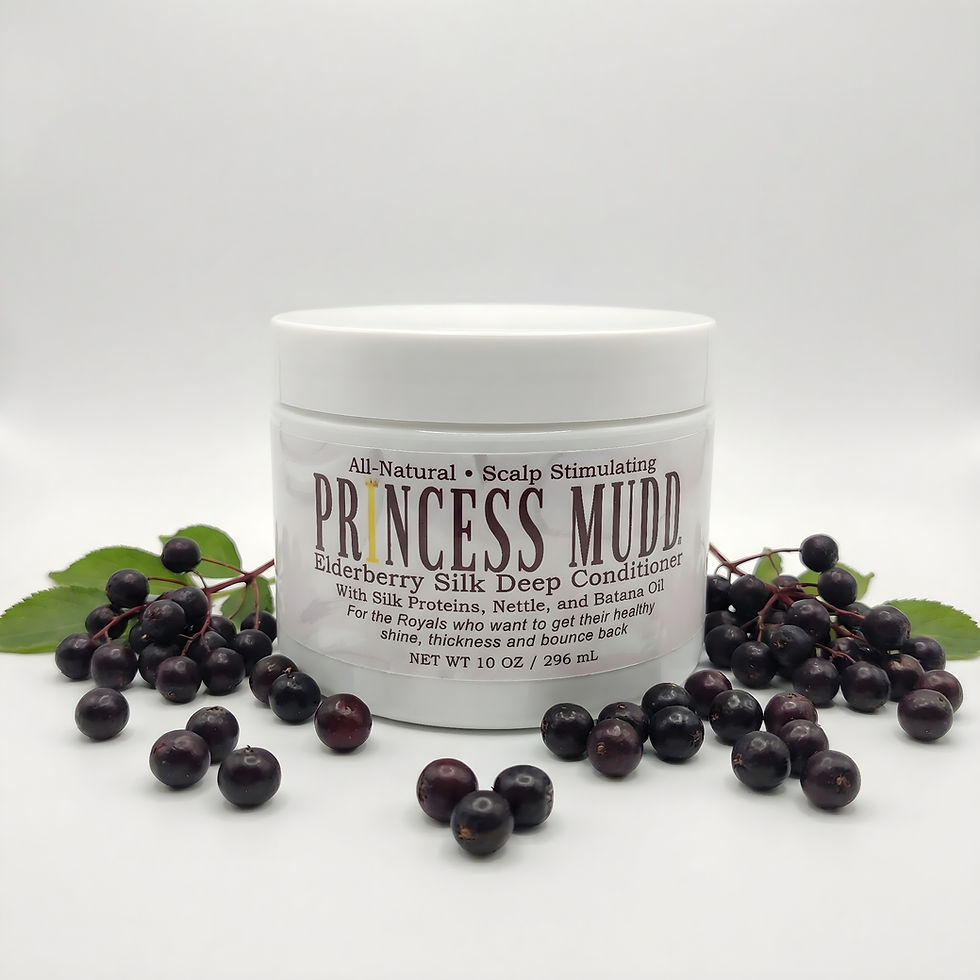


Hydrate, Moisturize, Condition
Coarse hair generally benefits from moisture-focused routines that help maintain softness and flexibility. Conditioning and hydration help prevent dryness and keep thicker strands manageable.
Coarse Hair Routine Tips
-
Condition hair regularly to maintain moisture.
-
Detangle gently to prevent unnecessary breakage.
-
Use moisturizing products to help manage dryness.
-
Limit heat styling that can damage the hair shaft.
-
Handle hair gently during styling.

Coarse Hair Texture
Coarse hair has the largest strand diameter, meaning each strand is thicker and stronger than fine or medium hair. Because the strand is thicker, coarse hair often appears fuller and more voluminous than other textures. Coarser strands are prone to dryness, so moisture and hydration is key when caring for this texture.

